The WWPA Story: How Weed Wacker Engines Became a Pulling Sport
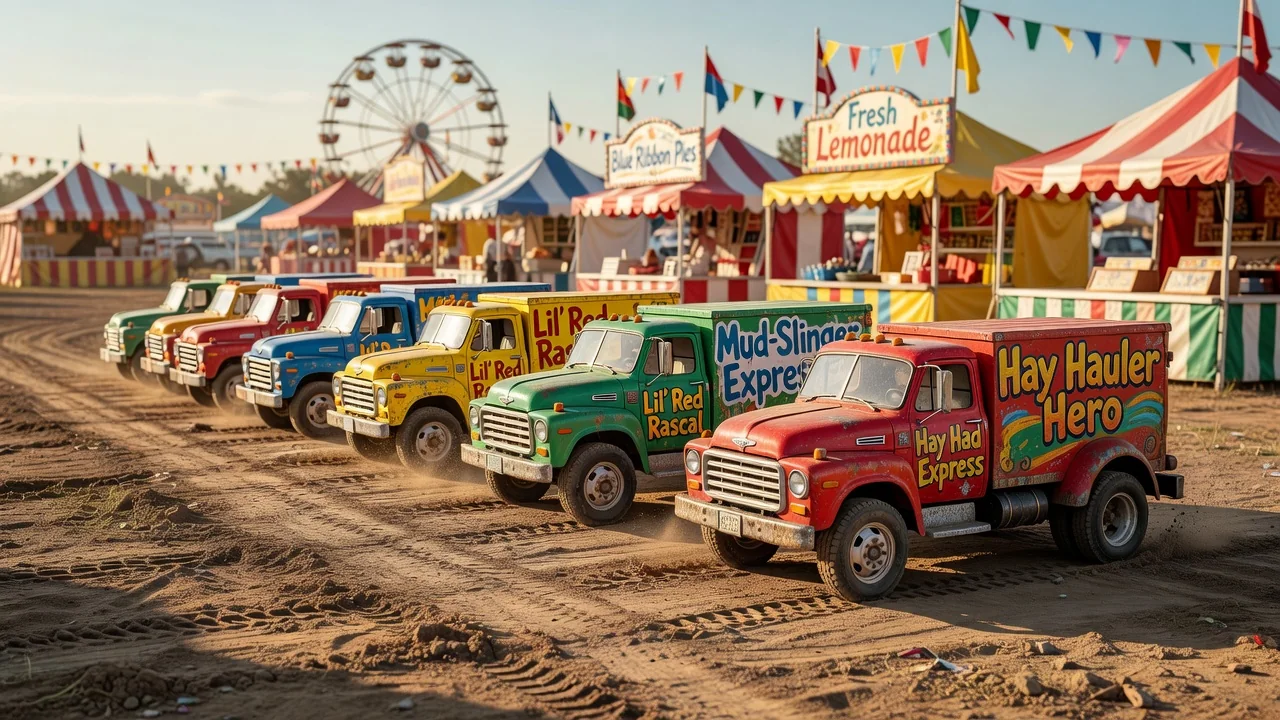
The Weed Wacker Pulling Association began with a simple question in an Indiana workshop: what happens when you bolt a string-trimmer engine into a miniature truck and hook it to a weighted sled? The answer became a club, a rulebook and more than a decade of dirt-track competition across Illinois and Indiana.
The Tebos and the first pullers
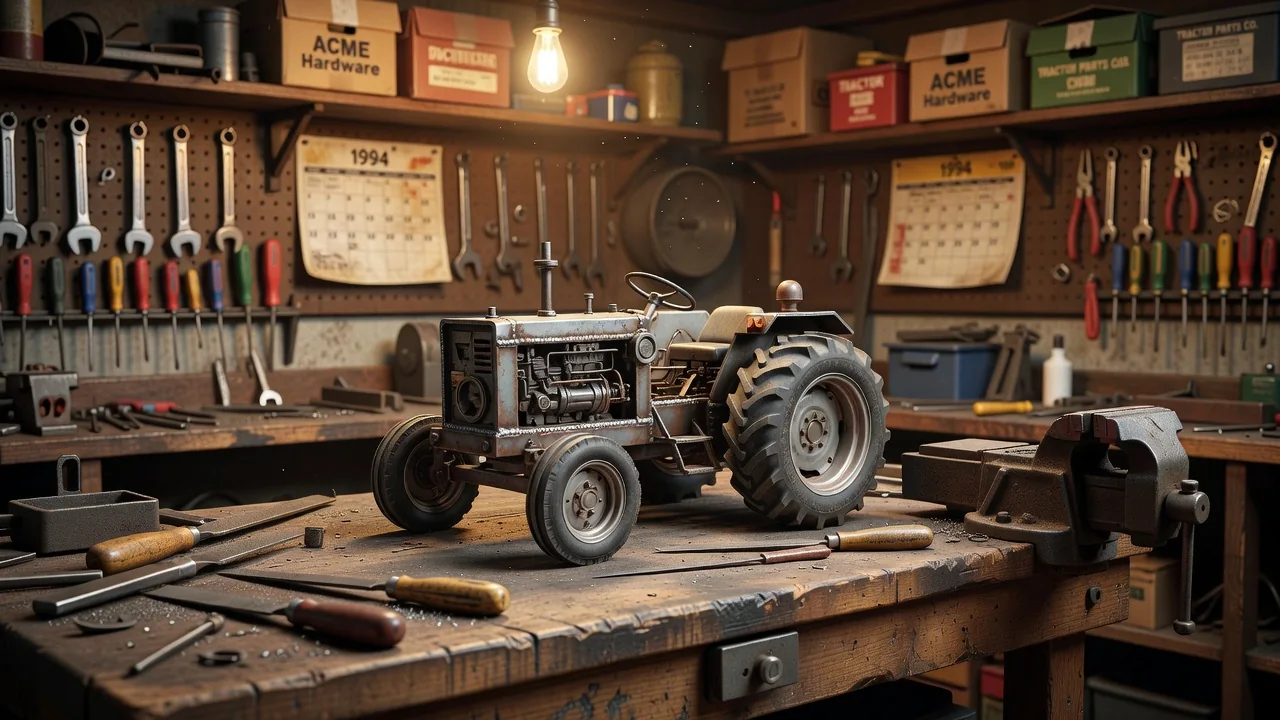
The W.W.P.A. was created by the Tebo family in Indiana. They were looking for something new to add excitement to their lives and hit on the idea of building miniature trucks and tractors around a standard weed wacker engine. The little machines were meant to mimic full-size truck and tractor pulling, scaled down to hobby size.
The concept caught on quickly among friends and neighbors. Club lore credits Pat and Rex as the driving forces who kept the project alive — in the words of the original club history, "Thanks to Pat and Rex, we are what we are."
When weed wacker power was not enough
Early experiments exposed a problem. The typical weed wacker engine and the transmissions built for those first miniature pullers could not handle the pulling force the vehicles developed on the track. Clutches slipped, driveline parts failed, and the sled kept getting heavier.
The club's answer was to upgrade to chainsaw engines of about 2.0 cubic inches, paired with gears and pulleys that could finally transmit the torque needed for serious pulling weights. The machines outgrew their power source, but the name stuck: even after the switch to chainsaw power, the club remained the Weed Wacker Pulling Association.
From backyard project to organized club
By the late 1990s the W.W.P.A. had formal classes, a written rulebook and a schedule of events at farm shows and fall festivals. Pulls ran at venues such as the Perry Farm in Bourbonnais, Illinois, the Winamac Town Park in Indiana and the Earl Park Fall Festival, drawing crowds that already loved full-size pulling.
What defined the club
- Scale vehicles with real pulling dynamics: weight transfer, hitch height and tire choice all mattered;
- Small-displacement engines that anyone could buy and tune at home;
- A volunteer-run structure where members approved the calendar and enforced the rules;
- A sense of humor — vehicles carried names like HOWARD'S HOG and GROCERY GETTER, immortalized in club stories.
The classes that grew out of it
| Class | Weight cap | Character |
|---|---|---|
| 2WD Stock Truck | 21 lb | Entry class, stock 33 cc garden engines |
| Tractor | 25 lb | Agricultural tractor look, 24-inch wheelbase |
| Modified Tractor | 40 lb | Unlimited engines, bar-tread tires |
| Exhibition | open | Multi-engine show vehicles |
Why the story still matters
The WWPA showed that pulling does not require a 3,000-horsepower super stock tractor to be compelling. A 25-pound machine clawing down a 60-foot dirt track creates the same suspense in miniature — and a generation of builders learned fabrication, gearing and engine tuning along the way.