
FPL Chip Strategy: A Season-Long Plan for Every Chip You Own

Every FPL manager gets the same small arsenal of chips: the Wildcard, the Free Hit, the Bench Boost and the Triple Captain, with the game occasionally adding special chips on top. Four tools, one season, no second chances on most of them. Yet watch how they actually get used: fired in October panic, wasted on single-fixture benches, tripled into a blank. Chips decide seasons more than any other single mechanic — and almost everyone plays them reactively.
The fix is to stop treating chips as four separate emergencies and start treating them as one portfolio with a season map.
Step one: map the season before it maps you
Every FPL season has the same skeleton. Blank gameweeks arrive when cup competitions strip fixtures from the calendar — some clubs play twice in a later week, some not at all. Double gameweeks follow, cramming the postponed matches into congested spring weeks. The exact dates shift each season, but the pattern is certain: blanks and doubles cluster in the second half, and every chip's value peaks in one of these windows.
So the first move of chip strategy happens before gameweek one: sketch the expected windows. When will the first blanks likely fall? When do doubles usually cluster? Which half of the season gets which Wildcard? You are not predicting dates — you are reserving destinations. A chip with a destination survives temptation; a chip without one gets spent on the first bad week.
- Wildcard: rebuilds the squad — best fired into a fixture swing or before doubles.
- Free Hit: one-week squad — reserved for the nastiest blank gameweek.
- Bench Boost: fifteen players score — reserved for the biggest double gameweek.
- Triple Captain: one player, triple points — reserved for the best fixture of the season.

Sequencing: the order matters as much as the timing
Chips interact, and the sequence is where seasons are won. The classic second-half chain works like this: a Wildcard fired two or three weeks before the big double gameweeks rebuilds your squad around the doubling clubs; a Bench Boost then scores fifteen players in the biggest double; a Free Hit covers the blank that the wildcard squad cannot field; and the Triple Captain rides the single best remaining fixture. Four chips, each amplifying the others, inside six weeks.
Fire them out of order and the chain collapses. Bench Boost without the Wildcard setup means boosting a bench of three single-fixture no-hopers. Free Hit spent in October leaves the March blank to be eaten raw with four hits. The sequence is not fussy optimisation — it is the difference between the chips scoring you 60 extra points and scoring you 15.
The first Wildcard: the season's hinge
The opening Wildcard deserves its own paragraph because it is the chip most often wasted. Used in September panic after two bad weeks, it rebuilds a squad that was never actually broken. Used deliberately — at the first major fixture swing, or once early-season price chaos settles and roles become clear — it reshapes your entire campaign. The tell of a well-used first Wildcard: it still looks obvious a month later. The tell of a wasted one: you want another by Christmas.
| Chip | Peak window | Setup required | Classic waste |
|---|---|---|---|
| Wildcard (1st) | First big fixture swing | None — fire deliberately | September panic rebuild |
| Wildcard (2nd) | 2–3 weeks before doubles | Map doubling clubs | Chasing last week's hauls |
| Free Hit | Biggest blank gameweek | Track blank calendar | Early-season impatience |
| Bench Boost | Biggest double gameweek | Wildcard-built bench | Single-fixture bench |
| Triple Captain | Best fixture of run-in | Minutes-secure talisman | Big name, bad fixture |
Keeping one bullet in the chamber
Finally, resist the clean-desk instinct that fires the last chip in early April because it is there. The season's final month produces chaos nobody maps — rotated squads, motivated minnows, dead rubbers that explode into goal-fests. A chip held for the true run-in, when you know your exact rank situation and can target the exact swing you need, is worth more than any scheduled use. Plan every chip's destination, then let the last one float. The best chip decisions of the season are made with complete information — and complete information only exists in May.
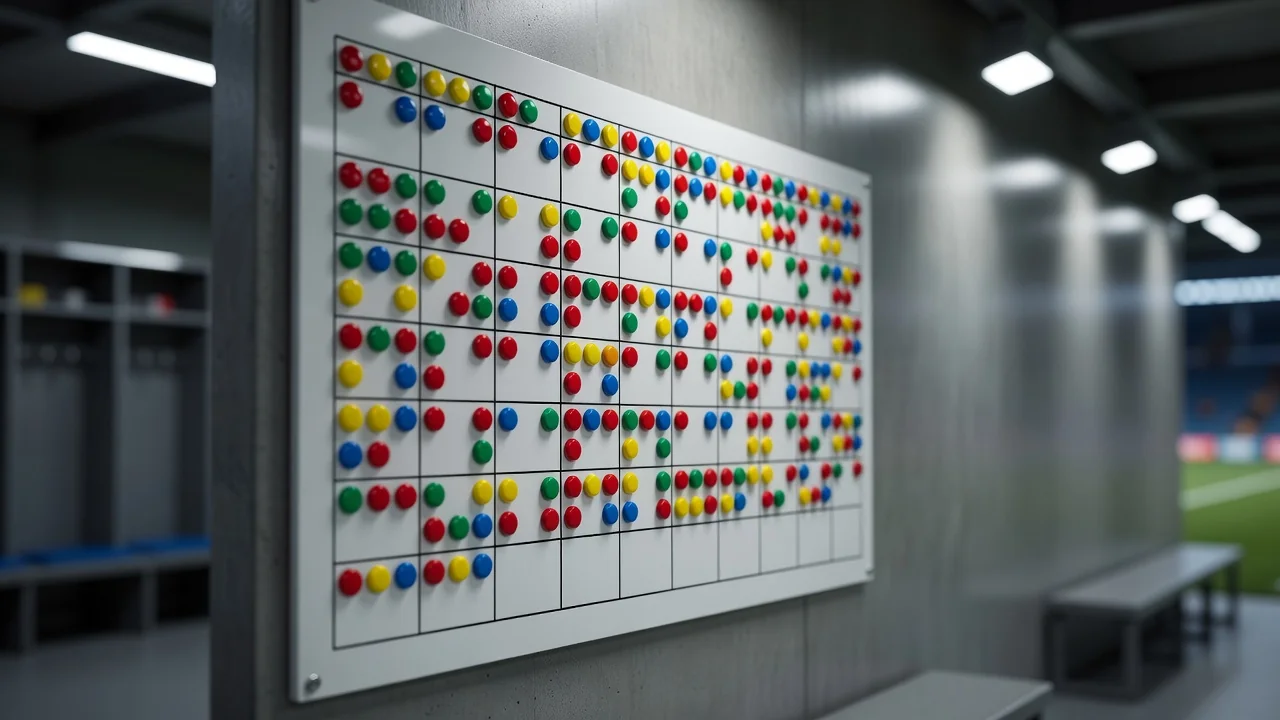
Keep the map visible all season. A note on your phone with the four chips and their reserved windows takes ten seconds to consult before any impulsive click, and that pause is usually enough to save a chip from a mediocre week. The managers who waste chips are rarely stupid — they simply forget the plan in the heat of a bad Saturday.
Key takeaways
- Chips are a portfolio with a season map, not four separate panic buttons.
- Blanks and doubles cluster in the second half — reserve each chip's window early.
- Sequence Wildcard into doubles, then Bench Boost, Free Hit for the blank.
- The first Wildcard is the season's hinge: fire it at a swing, never in September panic.
- Keep one chip floating for the run-in, when information is complete.
Keep reading

FPL Wildcard Timing: The Best and Worst Moments to Play It
The Wildcard rebuilds your squad — or wrecks your season if fired in panic. The signals that say the window is open.
2026-08-18
FPL Bench Boost Guide: Set Up the Perfect 15-Man Gameweek
Bench Boost is won in the four weeks before you play it. How to build a fifteen-man squad for one giant double gameweek.
2026-08-11
FPL Triple Captain: Pick the One Fixture Worth the Chip
One chip, one player, one gameweek. The profile of the perfect Triple Captain fixture — and the popular traps to avoid.
2026-07-22