
FPL Defensive Rotation: Build a Two-Team Clean Sheet Carousel

There is a build that FPL traditionalists love to mock: no premium defender at all, just two cheap pairs from unfashionable clubs, rotated by fixture every week. Then April arrives and the mockers notice the rotation managers quietly matching premium defensive output for two-thirds of the price, with the savings invested in a third premium midfielder. Defensive rotation is real, it works, and it fails completely when done lazily.
The idea is simple. Clean sheets are a team event, and clean sheet probability swings wildly with fixture difficulty. Two budget defences with complementary fixture runs let you field a strong clean sheet candidate almost every week — a carousel that keeps one defence always facing a beatable attack.
The pairing rules that make it work
Rule 1: Complementary fixtures, not complementary badges
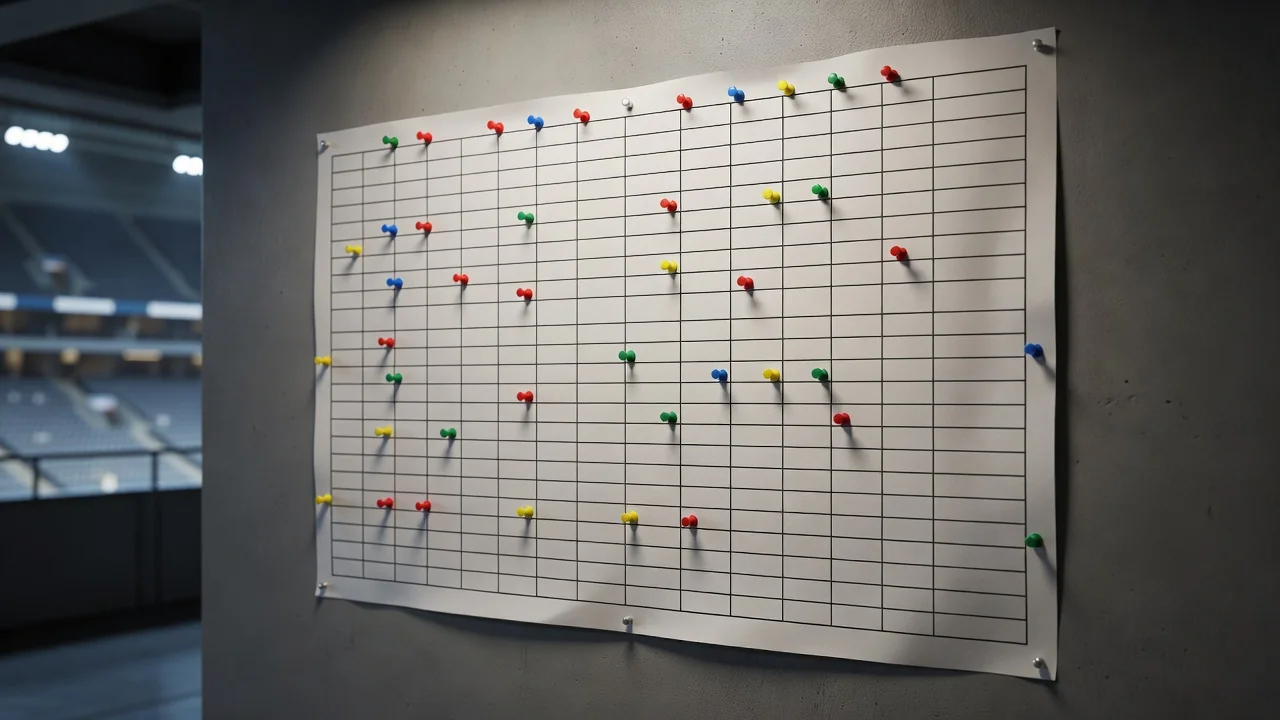
The pair must alternate kind fixtures. When team A faces a brutal away trip, team B should host a struggling attack. Plot both clubs' fixtures for the next ten weeks before buying: you want a clean alternation with as few double-ugly weeks as possible. Two mid-table sides from different halves of the country often pair beautifully; two clubs with parallel European or cup commitments do not, because congestion hits both at once.
Rule 2: Both defences must be structurally sound
Rotation multiplies whatever the base quality is — including badness. A pair of leaky defences rotated perfectly still leaks. Each club needs a genuine defensive case: a settled back four, a manager who prioritises shape, a keeper who plays every week. Mid-table sides with organised mid-blocks are the classic hunting ground; newly promoted chaos is not, however kind the fixtures look.
Rule 3: Buy the nailed man, not the best man
In budget defences, the gap between the famous centre-back and his unglamorous partner is tiny in fantasy terms — they share every clean sheet. Buy whoever is most certain to start all season. The rotation system lives and dies on minutes security, because a benched defender forces you to play the wrong half of the pair in the wrong week.
- Fixture map first: ten weeks ahead, both clubs, before any transfer.
- Structure over badge: settled defence, clear shape, first-choice keeper.
- Minutes over name: the boring nailed starter beats the famous rotation risk.

Running the carousel week to week
The system demands a five-minute weekly ritual. Compare both clubs' clean sheet odds, start the stronger case, bench the other. That is most weeks handled. The skill shows in the exceptions: when both fixtures are kind, start the defender with more attacking threat; when both are ugly, play the home one and accept the week as a write-off rather than burning a transfer to fix it.
Discipline about the ceiling matters too. Rotation defences are a floor strategy — they manufacture consistent fours and sixes, not fifteen-point hauls. Managers who get greedy and start rotating by hunch instead of odds slowly destroy the edge, because every "gut feel" override replaces a 40 per cent clean sheet chance with a 25 per cent one.
When to abandon the carousel
Two signals say the system has run its course. The first is structural breakage: an injury crisis, a sacked manager, a sold centre-back at either club — rotate pairs die fast when the defensive structure breaks, so sell immediately rather than hoping. The second is seasonal: when double gameweeks approach, budget defenders from mid-table clubs rarely double, and the squad value locked in the pair is better redeployed into doubling assets. The best rotation managers treat the pair as a 20-week rental, not a marriage.
| Pair quality test | Good pair | Bad pair |
|---|---|---|
| Fixture alternation | Clean 10-week alternation | Same tough weeks for both |
| Defensive base | Two organised mid-blocks | One or two chaotic back lines |
| Minutes security | Both nailed all season | Squad competition at either club |
| Congestion exposure | No shared cup runs | Both in Europe or cups |
| Exit plan | Sell before doubles | Hold and hope into May |
Do not forget the goalkeeper in the rotation equation. Many managers run the defender carousel but leave a single keeper exposed to both clubs' ugly weeks. Extending the pairing logic to the keeper slot — two budget keepers from the same two clubs, rotated with the defenders — manufactures a clean sheet attempt in goal as well, for almost no extra cost. The full-stack rotation of keeper plus two defenders is the purest form of the system and the one that most often embarrasses premium defensive builds.
Key takeaways
- Two budget pairs can match premium defensive output at two-thirds of the price.
- Pair for alternating fixtures across ten weeks, not for famous badges.
- Both clubs need settled defensive structures and nailed starters.
- Run the weekly choice by clean sheet odds, never by gut.
- Sell the pair when structure breaks or double gameweeks approach — it is a rental.
Keep reading

How to Read Clean Sheet Odds for Smarter FPL Defender Picks
Clean sheet odds compress a whole match model into one number. Learn what that number really says — and when to ignore it.
2026-08-24
Premium vs Budget FPL Defenders: Build a Back Line That Pays
Attacking premiums, enablers and everything between: how to split your defensive budget so every slot earns its place.
2026-08-17
Wing-Backs vs Centre-Backs: Where FPL Clean Sheet Points Hide
Same clean sheet points, very different ceilings. Why wing-backs dominate the defender charts and when a centre-back is the smarter buy.
2026-08-10