Pull Day with the WWPA: Track Specs, Tech and Schedule
A WWPA event was never just the pull itself. It was a full day at a farm show or fall festival: morning registration, tech inspection, class-by-class competition and long conversations over the pit tables. Here is how a typical event day unfolded and where the club ran its pulls.
The morning: registration and tech
Gates opened early. At a typical Saturday event, registration began around 8:00 a.m. and tech inspection at 9:00, with the first hooks at 10:00. Sunday schedules shifted about an hour later. Every vehicle passed over the scales and under the inspectors' eyes before it was allowed near the track.
Tech was where the rulebook became real: hitch height was measured, kill switches tested, chain covers checked and weight confirmed. Builders who failed a point usually fixed it on the spot and came back through the line.
The track
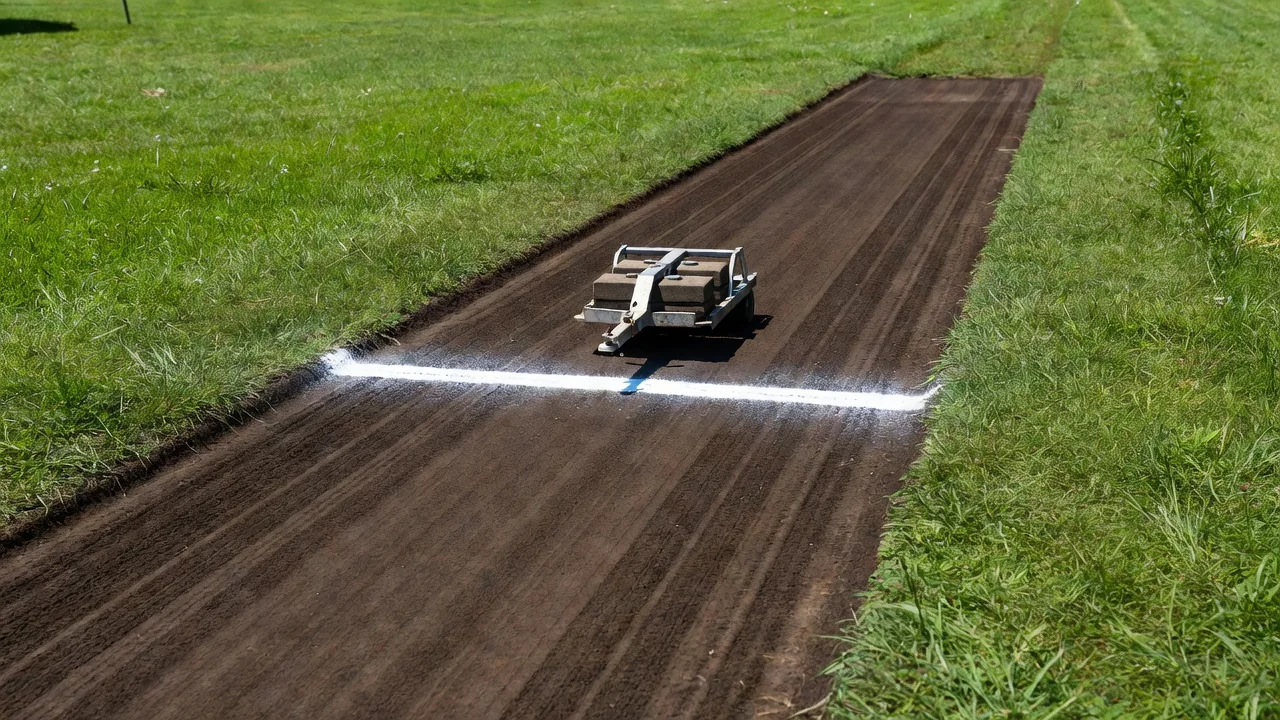
The course itself was compact but unforgiving: 60 feet of dirt, 6 feet wide, with a 5-foot pull-back area and a 5-foot shutdown zone. A starter plate marked the front, and the default line sat 15 feet out. Track prep — moisture, compaction, the condition of the surface — could change results as much as any engine tuning.
The classic venues
The WWPA calendar lived at farm-country events where full-size pulling already had an audience. The club's 2008 schedule, a representative season, included three signature stops that defined the summer.
| Event | Location | Typical dates |
|---|---|---|
| Perry Farm Super Pull, Olde Time Farm Show | Bourbonnais, Illinois | Early July |
| Power From The Past Show | Winamac, Indiana | Mid-July |
| Earl Park Fall Festival | Earl Park, Indiana | Late August |
The Perry Farm stop ran two full days alongside the Olde Time Farm Show. Winamac brought the club to the town park during Power From The Past, and the season wound down at the Earl Park Fall Festival just off U.S. 41 — the same ground where several club records were set.
What spectators saw
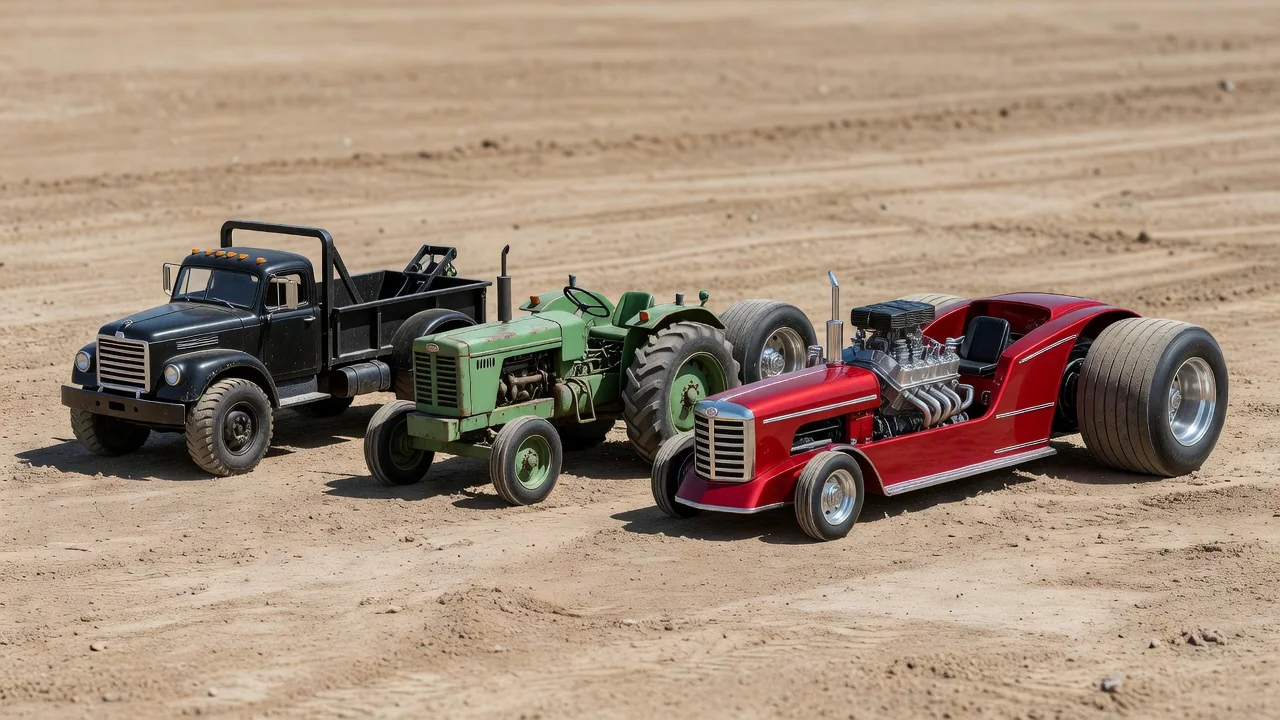
- Dozens of hand-built trucks and tractors, each with its own name and paint scheme;
- A weight-transfer sled that got harder to move with every foot of track;
- Classes running from 21-pound stock trucks to 40-pound modifieds;
- Exhibition runs, including multi-engine machines built purely for show.
How the club coordinated
The WWPA was member-run: event dates were subject to club members' approval, start times were posted as they became available, and news traveled through the RCPULLINGTRACTORS message board. It was a pre-social-media community that ran on forum posts, phone calls and word of mouth at the track.
Planning your own pull day
The WWPA format still works as a template for any small-scale pulling club: publish the calendar early, keep tech inspection firm but friendly, run classes in a predictable order and leave time between rounds for repairs. A well-run day ends with results everyone trusts and machines that survive to pull again.