WWPA Classes and Rules: Stock Trucks, Tractors and Modifieds
Every WWPA pull ran under a written rulebook that balanced creativity with fair competition. The 2008 edition defined three competition classes plus exhibition machines, with detailed limits on engines, weight, hitches and tires. Here is how the classes broke down and what the general rules required.
Track specifications
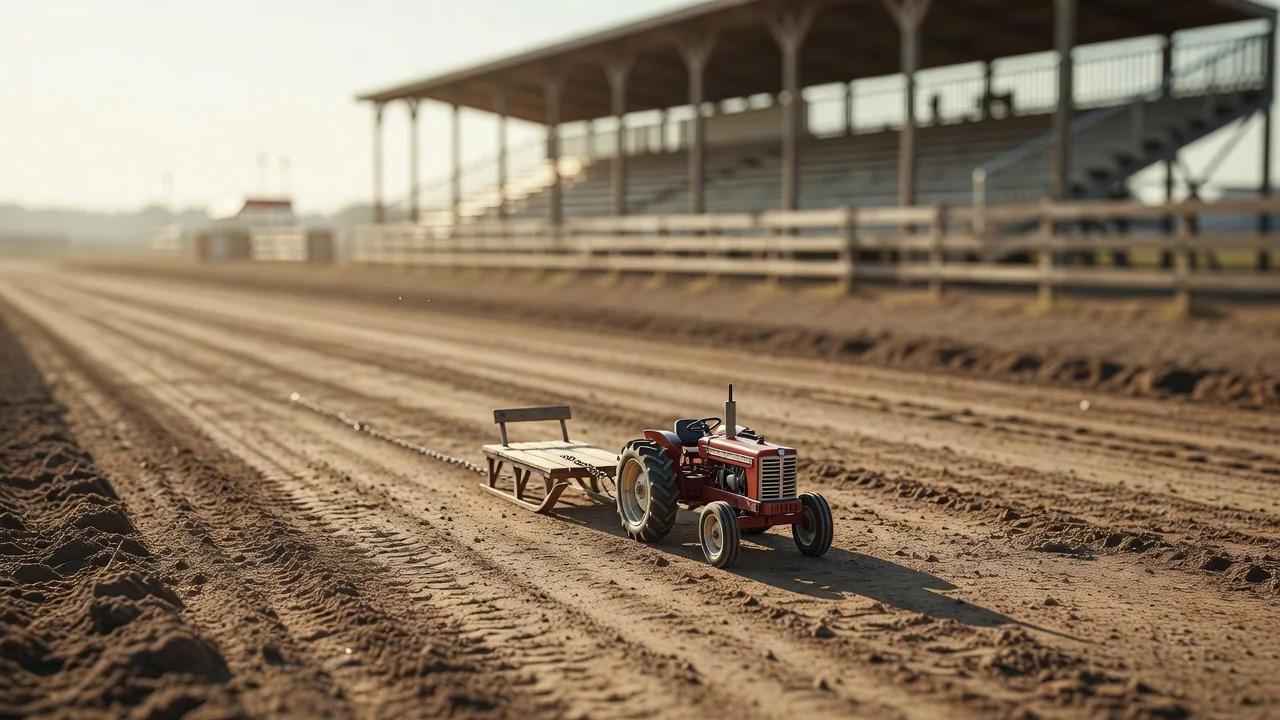
All classes ran on the same course: a 60-foot dirt track with a 5-foot pull-back area and a 5-foot shutdown area, for 70 feet total. The track was 6 feet wide, with a 15-foot default line and a starter plate at the front. Distance was everything — a full pull meant dragging the sled the length of the course.
2WD Stock Truck class
The entry class kept things close to stock. Engines were limited to 2.0 cubic inches (33 cc) two-cycle lawn-and-garden units, naturally aspirated with a carburetor and any exhaust. Any fuel mixture was allowed, and the chassis and wheelbase were the builder's choice.
Trucks were capped at 21 pounds and 36 inches overall, wearing a car, truck or van body. Hobby tires were permitted, and the rigid hitch had to sit at least 4.5 inches high with a 5/16-inch hole at a defined distance from the axle centerline.
Tractor class
The Tractor class allowed the same 2.0-cubic-inch ceiling but accepted two-cycle or four-cycle stock garden engines. Wheelbase was limited to 24 inches, weight to 25 pounds and overall length to 32 inches. Rear tires came from an approved list — Cold Buster, USA-1, Nitro Quake or Juggernaut — with free choice up front.
Bodies had to resemble an agricultural tractor or an old-time modified, with covers over chains, a kill switch and a covered or recessed flywheel. Safety hardware was mandatory, not optional.
Modified Tractor class
The Modified class removed the engine limit entirely: any number of motors, any fuel type, naturally aspirated. Chassis could be ready-made or home-built with an unrestricted wheelbase, but weight was capped at 40 pounds and length at 36 inches.
Tires had to be agricultural bar-tread style, no more than 13.5 inches in diameter, stock or modified — pic spikes and ATV-style lug tires were explicitly banned. Bodies were optional, and any exhaust was allowed.
Class limits at a glance
| Rule | Stock Truck | Tractor | Modified |
|---|---|---|---|
| Engine | 33 cc 2-cycle stock | 33 cc 2- or 4-cycle | Unlimited |
| Weight | 21 lb max | 25 lb max | 40 lb max |
| Length | 36 in | 32 in | 36 in |
| Wheelbase | Free | 24 in max | Unrestricted |
| Body | Car, truck or van | Ag tractor style | Optional |
General rules and inspections
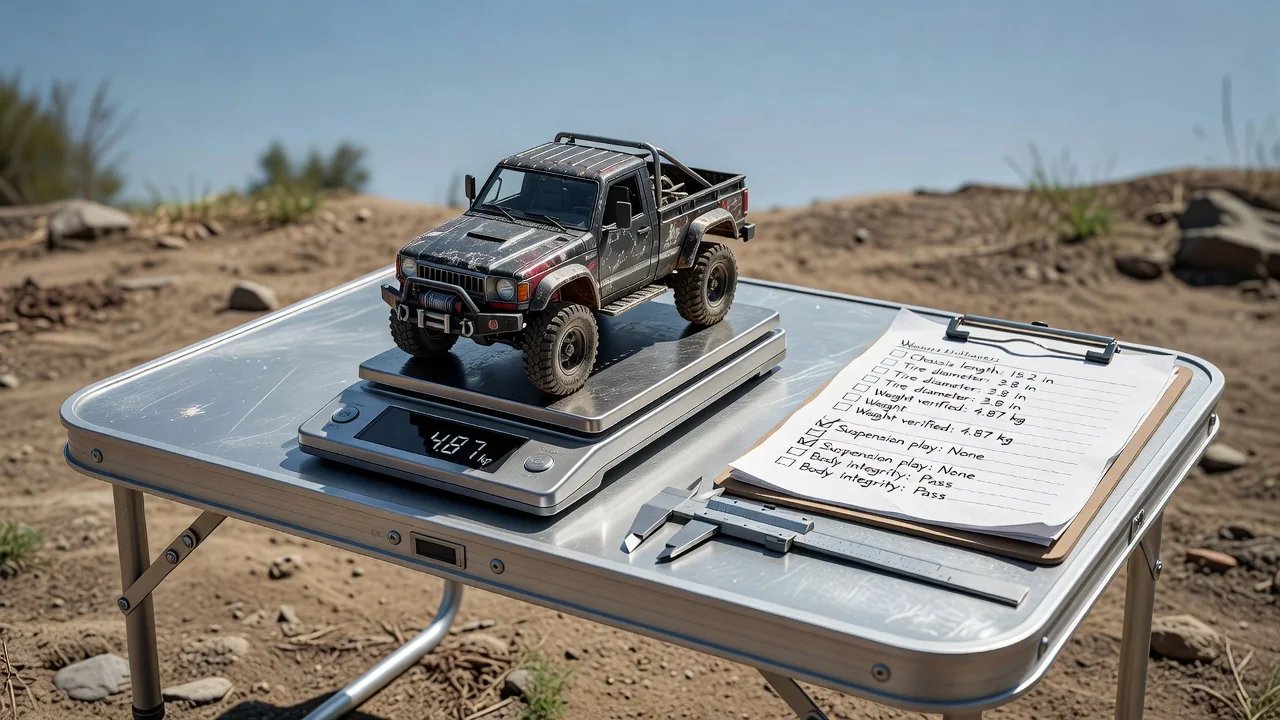
Every vehicle had to be fuel-powered and wear a body resembling a car, truck, van or tractor. All machines were subject to pre-pull inspection and had to be weighed after each pull. Any competitor could be inspected at any time.
After each class finished, the first-, second- and third-place vehicles were inspected with fourth place standing by, including a check of bore and stroke. If a vehicle was disqualified, every place below it moved up — a rule that kept the top of the standings honest.
Why the rulebook worked
- Clear weight and size caps made classes competitive for beginners;
- Approved tire lists stopped an expensive tire arms race in the Tractor class;
- Mandatory kill switches and chain covers put safety ahead of speed;
- Post-pull inspections and DQ advancement kept results credible.